


CNC Fault Solutions: CNC troubleshooting tips
CNC machines are critical in manufacturing, advertising, furniture, and automotive sectors. These machines enhance the speed and quality of production processes. However, encountering malfunctions from time to time is inevitable. In this article, I present practical and effective solutions to common issues with CNC machines. My aim is to help you quickly resolve problems without disrupting your workflow.
CNC Troubleshooting Tips
When issues arise with CNC machines, basic checks should be conducted first. Electrical connections, fuses, and emergency stop buttons should be inspected. These simple steps can reveal the source of many problems.
Basic Checks:
Ensure the power supply is functioning correctly.
Check for any breaks or looseness in the cables.
Verify that the emergency stop button is not activated.
Ensure the cooling system is working properly.
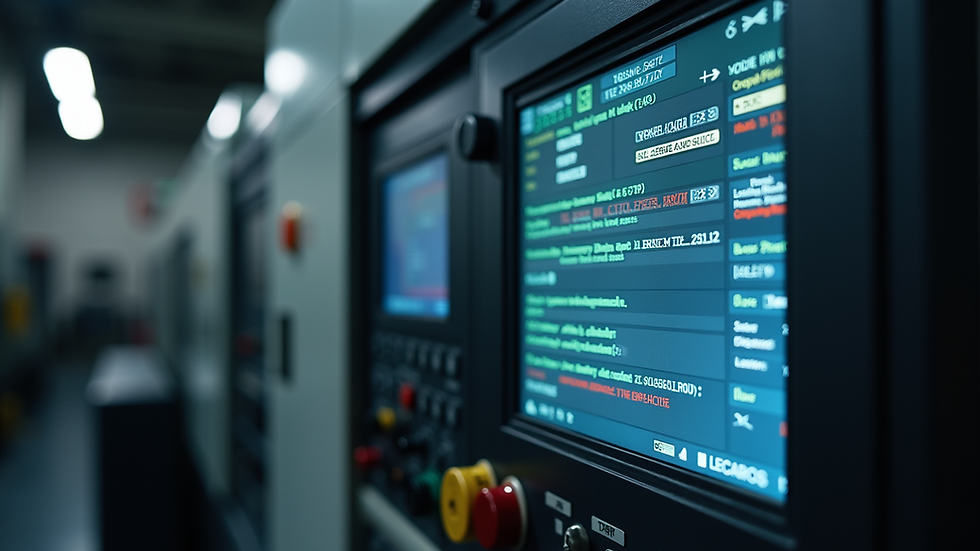
If these steps do not resolve the issue, the machine's error codes should be examined. Error codes indicate where the malfunction is occurring. The error code table in the user manual is crucial for the quick identification of the problem.
How to Troubleshoot Driver Failures?
Driver failures are common issues in CNC machines. The driver controls the movement of the motors. A faulty driver can cause the machine to stop or operate incorrectly.
To diagnose driver failure:
Check the LED indicators on the driver. Red or blinking lights are signs of a fault.
Inspect the connections of the motor cables. Loose or broken cables can lead to driver failure.
Ensure that the driver cooling fan is operational. Overheating can cause failures.
Read the error codes and follow the recommendations in the driver manual.
Solutions for driver failure:
Secure or replace the cables.
Clean or replace the driver fan.
If necessary, reset or reprogram the driver.
If the issue persists, send the driver to an authorized service center.
These steps will help you quickly resolve most driver failures.
Troubleshooting Mechanical Issues
Mechanical issues are also frequently encountered in CNC machines. These problems arise from wear, dirt, or misalignment in the machine's moving parts.
Recommendations for mechanical issues:
Regularly clean and lubricate the rails and sliders.
Check the tension of the belts and gears.
Examine the shafts and bearings for wear.
Ensure that the parts are properly aligned.
Mechanical issues directly affect production quality. Therefore, regular maintenance and inspection are essential.

Preventing Electrical Failures
Electrical failures are among the most complex issues in CNC machines. Poor connections, short circuits, or grounding problems can lead to malfunctions.
To prevent electrical failures:
Regularly check all electrical connections.
Test the insulation and integrity of the cables.
Ensure the grounding system is functioning correctly.
Keep the electrical panel clean and organized.
Electrical issues can cause the machine to stop completely. Therefore, preventive maintenance is crucial.
Software and Control Unit Issues
The brain of CNC machines is the control unit. Software errors or control unit failures affect the machine's functionality.
For software issues:
Regularly perform software updates.
Check for programming errors.
Review control unit connections.
Reset to factory settings if necessary.
In case of control unit failures, professional support may be required. However, simple software issues can be resolved by the user.
Increasing the Efficiency of CNC Machines in Your Operation
The smooth operation of CNC machines enhances production efficiency. Regular maintenance, quick intervention, and proper usage prevent failures.
To increase efficiency:
Regularly train operators.
Create and implement maintenance plans.
Form a team for quick intervention in case of failures.
Keep spare parts in stock.
These methods ensure the uninterrupted continuation of your production processes.
To quickly and effectively resolve issues you encounter with your CNC machines, you can visit the cnc failure solutions page. Here, various types of failures and proposed solutions are presented in detail.
In light of this information, you can be prepared for potential failures in your CNC machines. Early detection of problems and proper intervention will enhance your production quality and continuity. Remember, regular maintenance and proper usage are the best preventers of failures.


Comments